 12% OFFDurga Puja 2026 Special
Official Publisher Edition • Direct from Basudhanand Press
Indian Emergency 50 - Jail, Upsurge, Regionalisation & Criminalisation
5.0(2 reader reviews)About “Indian Emergency 50 - Jail, Upsurge, Regionalisation & Criminalisation”
On 25 June 1975, Prime Minister Indira Gandhi declared a nationwide Emergency under Article 352 of the Constitution, citing a threat to internal security. For 21 months—until 21 March 1977—India’s democratic institutions were suspended: civil liberties were curtailed, MISA arrests skyrocketed, and the press fell under heavy censorship.
Prelude & First Arrests:
This account begins in Kolkata’s Rajasthani Club tent on the Maidan, where the first waves of protest were organized. Overnight, thousands of political activists were detained—including Jayaprakash Narayan, Atal Bihari Vajpayee, L.K. Advani, Morarji Desai, and regional leaders—under the Maintenance of Internal Security Act (MISA)
Lockups, Jail Narratives & Underground Resistance:
Witness harrowing scenes from police stations and jails. Despite tight censorship, underground publications like Bhoomiputra, Satyavani, and Lok Sangharsh circulated eyewitness accounts of police brutality, mass sterilization drives, and forced demolitions—most notably the Turkman Gate incident in Delhi, where bulldozing sparked violent resistance and led to civilian deaths .
The Nasbandi Campaign & State Overreach:
Led by Sanjay Gandhi, a draconian vasectomy campaign was implemented, with slum-dwellers often coerced—threatened with loss of ration cards or relocation. Historical estimates indicate approximately 11 million sterilizations occurred nationwide, and 161,000 in Delhi alone. These coercive actions were extensively documented by the Shah Commission (1977–78), which also documented political arrests, torture, and abuses of power.
Post-Emergency: Regionalisation, Criminalisation & Rise of Coalitions:
Although the Janata Party ousted the Congress in the March 1977 election, the legacy of Emergency persisted. Rajput and Dalit movements saw increasing regionalisation and polarized caste-based politics. Simultaneously, the proliferation of corrupt and criminal elements within political parties became entrenched during coalition governance. The Emergency also indirectly fostered the space for Hindutva ideologies that emerged more prominently in later decades.
Reader Reviews & RatingsVerified Feedback
Real feedback from readers and literary scholars for “Indian Emergency 50 - Jail, Upsurge, Regionalisation & Criminalisation”
Based on 2 verified reader reviews
The definitive 50th-anniversary study of the 1975 Emergency
Dr. Sajal Basu's groundbreaking documentation of the Maidan protests, underground pamphlets like Satyavani and Bhoomiputra, and the Shah Commission findings is unmatched. A crucial safeguard of democratic memory.
Gripping, rigorous, and chillingly relevant
The investigation into MISA detentions, forced sterilization drives, and post-Emergency criminalisation of politics provides an essential warning for modern democracy.
You May Also Like

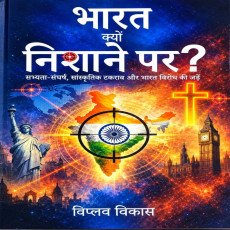
Bharat Kyon Nishane Par? (Why is India Targeted?)
Prof. Debabrata Majumdar